
A packed Saturday night is every restaurateur’s dream — until the phone won’t stop ringing, the host is double-booking tables, and a party of six just showed up with no record of their reservation. The modern solution is restaurant reservation software, a tool that moves booking management online, automates guest communication, and gives you back control of your floor. Here’s everything you need to know, from how it works to how to choose the right one.
What reservation software is
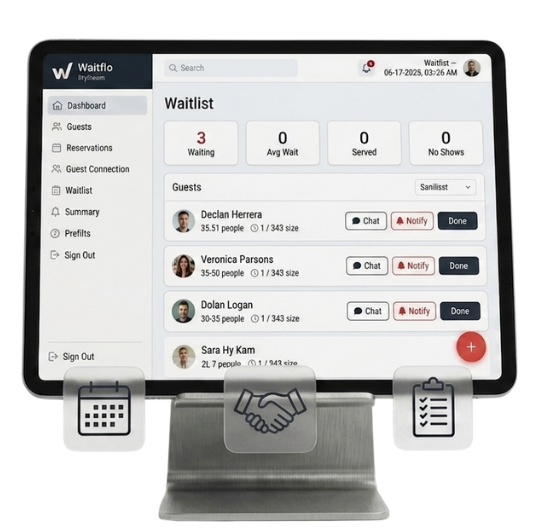
Restaurant reservation software is a digital platform that allows guests to book tables online and gives restaurants a centralized system to manage those bookings. Instead of a paper book and phone calls, the software displays all reservations in a live dashboard, often combined with a visual table map. It can accept bookings directly through a restaurant’s website, social media pages, or third-party apps, automatically preventing overbooking and syncing with the waitlist. The result is a single source of truth for every table in the house, accessible from a computer, tablet, or phone.
Why restaurants need it
Relying on phone-based reservations and paper books creates persistent problems. A host stuck on a call during the dinner rush can’t greet walk-ins, while a misheard name or time leads to a “lost” booking and an angry guest. No-shows and late cancellations erode revenue with no way to hold guests accountable. Without digital records, it’s impossible to know how many covers to expect or how to staff appropriately. Restaurant reservation software eliminates these friction points, turning the host stand into an efficient command center rather than a scramble of sticky notes and crossed-out entries.
Online booking benefits
Opening up online reservations delivers benefits that reach far beyond the front door.
-
24/7 booking availability: Guests can book a table at midnight or during your busiest service without tying up the phone line. This captures demand you’d otherwise miss.
-
Higher cover volume: The easier it is to reserve, the more bookings you’ll get. A simple “Book Now” button on your website and Instagram profile converts curiosity into committed visits.
-
Less phone traffic: Reducing reservation calls frees hosts to manage seating, manage the waitlist, and deliver genuine hospitality.
-
Guest data collection: Every online booking captures contact information and visit details, building a database you can use for marketing, special events, and personalized service.
-
Pre-visit upsells: Some platforms let you offer add-ons like a bottle of champagne or a guaranteed window seat during the booking flow, increasing per-cover revenue before the guest even arrives.
Reservation management
At its heart, restaurant reservation software is a command center for your dining room. The platform shows a real-time view of upcoming bookings, available tables, and dining durations. Floor plans are often drag-and-drop, allowing you to assign parties to specific tables, note VIP guests, and adjust seating on the fly. The system automatically respects your rules — minimum and maximum party sizes, reservation pacing, and shift cut-off times — so you don’t accidentally overpromise. Many tools also handle reservation deposits or credit card holds, dramatically reducing no-shows by requiring guests to commit. The dashboard becomes the single source of truth for the entire front-of-house team, ensuring servers, bartenders, and managers are aligned on what’s coming.
Guest communication
Clear communication is the difference between a confident guest and a nervous one. Restaurant reservation software automates this entirely. Confirmation emails or texts are sent immediately upon booking. Reminders follow 24 hours and one hour ahead of the reservation time, giving guests the option to confirm, modify, or cancel. If a party is running late, the software can offer them a grace period or automatically release the table. Two-way messaging allows guests to reply with special requests or notify the restaurant of dietary needs. This constant touchpoint loop makes guests feel looked after and drastically reduces no-shows, because a series of friendly, automated nudges is far harder to forget than a single handwritten note in a diary.
Common mistakes
Even the best software can’t fix poor implementation. Restaurants often make these mistakes when adopting restaurant reservation software:
-
Over-blocking inventory: Holding back too many tables for walk-ins while rejecting online bookings throttles revenue. Strike a balance and let the software manage pacing.
-
Ignoring reservation pacing: Accepting all bookings on the hour, every hour, floods the kitchen and creates service nightmares. Use the platform to stagger arrival times and smooth out demand.
-
Setting unrealistic turn times: If you allocate 60 minutes for a table that actually averages 90, subsequent reservations will stack up and wait times will spike. Use your software’s analytics to set honest dining durations.
-
Neglecting guest tags and notes: Not recording allergies, celebrations, or VIP status wastes the data the system captures. Train your team to use these fields.
-
Leaving the floor plan static: A map that isn’t updated in real time leads to hosts seating walk-ins at tables meant for upcoming reservations. Keep the digital floor live.
Choosing the right platform
Not all restaurant reservation software is built for the same type of operation. When evaluating options, consider these factors:
-
Ease of use: The interface should be intuitive enough that a host can learn it in minutes, not days. If training feels overwhelming, it’s too complex.
-
Front-of-house integration: The ideal platform combines reservations and waitlist management in one view, giving you a complete picture of your floor. This prevents the host from toggling between two systems.
-
Guest experience: Look for custom booking pages, automated SMS reminders, and QR self check-in. The more seamless the guest journey, the higher the return rate.
-
Table management: A drag-and-drop floor plan with real-time status indicators is essential for visualizing and adjusting seating.
-
Analytics and reporting: The software should tell you how many covers you’re booking, what your no-show rate is, and when your peak demand hits — data that informs smarter staffing and marketing.
-
Cost and contract flexibility: Avoid long-term lock-ins before you’ve tested the software in your real-world environment. Month-to-month options or free trials let you validate the tool’s impact.
Waitflo makes it easy
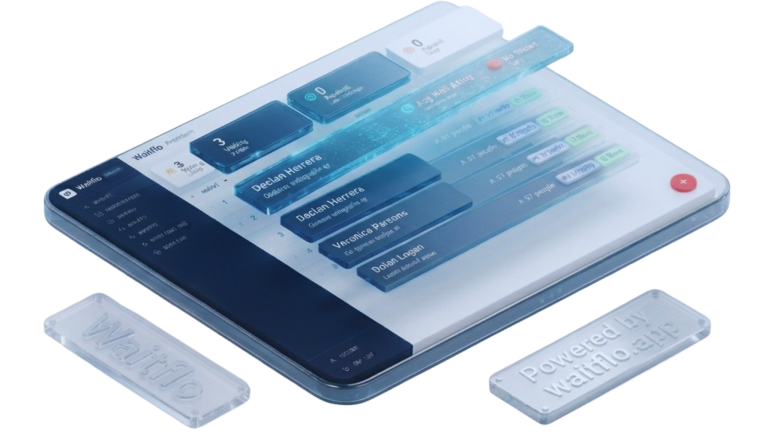
Waitflo is an all-in-one platform that combines restaurant reservation software with waitlist management, giving you complete control of your dining room from a single dashboard. Guests can book online through your own custom page, receive automated reminders, and check in via QR code. Your team gets a real-time floor plan, smart reservation pacing, and instant communication tools that slash no-shows. And because Waitflo works on devices you already own with no complicated setup, you can start accepting online reservations in minutes — not weeks.
Start accepting reservations online with Waitflo. Try it free at waitflo.app.